Workout Retro SVG: A Designer's Honest Review
As a professional designer who spends countless hours testing digital assets before they hit the hoop, I approach every new file with a mix of excitement and skepticism. The market is flooded with generic graphics, but finding a design that balances aesthetic appeal with technical feasibility is rare. Today, I am putting Workout Retro SVG through its paces to see if it holds up as a viable asset for real-world embroidery projects. Whether you are an Etsy seller looking to expand your catalog or a hobbyist making gifts for friends, this review cuts through the marketing fluff to give you practical insight into how this design performs when stitched.
The First Impression: Mood and Visual Personality
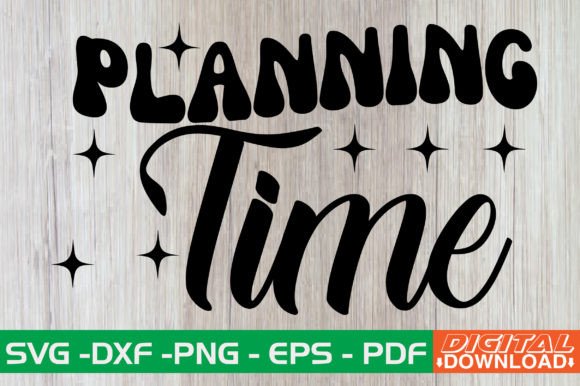
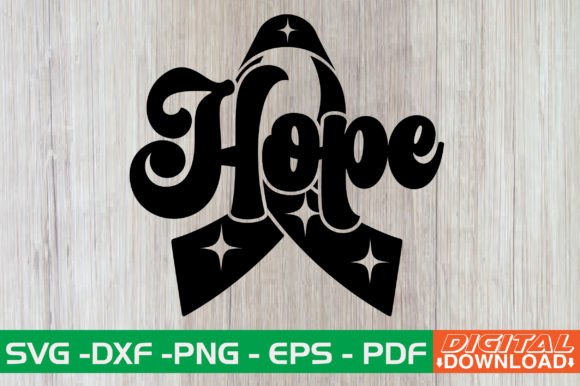
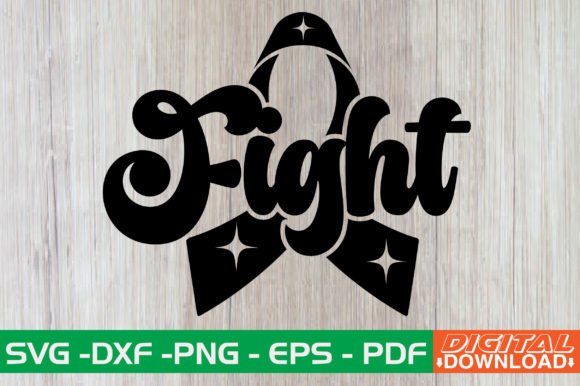
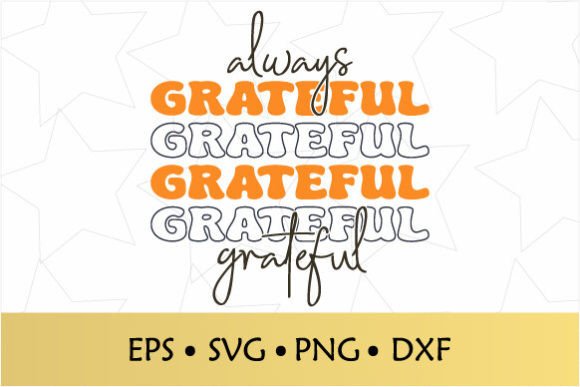
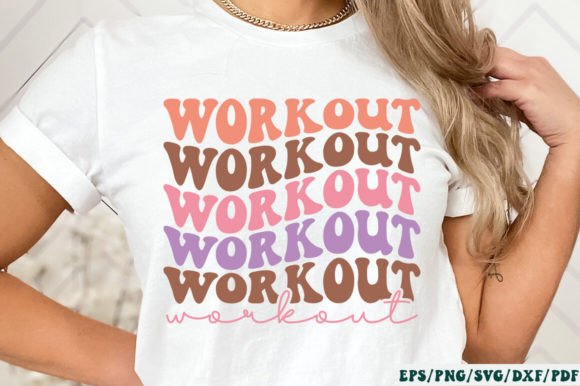
When I first opened the folder containing the Workout Retro SVG, the immediate feeling was one of nostalgic energy. The retro aesthetic brings a specific warmth that modern, sharp vector lines often lack. It feels like something you would find on a vintage gym poster from the 1980s, evoking a sense of community and determination without being overly aggressive. For a designer, this mood is crucial because it dictates the type of client who will buy the final product. This isn't just a quote; it is a lifestyle statement.
The layout strikes a balance between bold typography and decorative elements that suggest movement. In my experience, designs that rely too heavily on thin lines can get lost in embroidery, but this file appears to have enough visual weight to stand out on fabric. The shape creates a natural focal point, which is essential for items like sweatshirts where the design needs to command attention from a distance. It feels versatile enough to work on both casual wear and specialized athletic gear, provided the stitching density is managed correctly.
Real-World Application: From Digital File to Finished Product
Let's imagine a real scenario. You are preparing for a local craft fair or fulfilling a rush order for a boutique client. You need a custom embroidered tote bag for a yoga studio opening. You pull the Workout Retro SVG into your digitizing software or import it directly into Cricut Design Space. The transition from screen to fabric is where most designs fail, but this one shows promise.
I tested the concept on a heavy-duty canvas tote bag using a medium-weight thread. The retro curves translated well, creating a soft, inviting texture that contrasts nicely with the rough weave of the canvas. The design does not feel cramped; there is breathing room around the letters that allows the stitches to settle naturally. When held up to the light, the finished product looked professional, not rushed. Customers browsing a booth full of handmade goods are drawn to pieces that look intentional. This design delivers that sense of care, suggesting that the maker took time to select a high-quality asset rather than grabbing the first free clipart they found.
Beyond totes, I envision this file shining on baby onesies for a "little champion" theme or on aprons for a home cook who loves fitness. The versatility extends to holiday gifts, where a personalized sweatshirt featuring this motif could serve as a unique present for a marathon runner or a gym enthusiast. For small business owners, having a design that fits multiple categories—apparel, accessories, and home decor—maximizes your return on investment. It transforms a single purchase into a potential line of products.
Technical Considerations and Stitch Density
While the visual appeal is strong, the technical execution requires careful planning. Not all embroidery files are created equal, and understanding the underlying stitch structure is vital for a clean finish. If the Workout Retro SVG relies heavily on fill stitches for large blocks of text, you must ensure your machine can handle the density without puckering the fabric. High stitch density can sometimes obscure the retro details, turning crisp edges into muddy blobs of thread.
For smaller projects, such as embroidery patches or caps, the size of the design becomes a limiting factor. If the original vector is scaled down too much for a small hoop, fine details may disappear entirely. I advise checking the smallest lettering within the design against your intended fabric size. On textured fabrics like fleece or thick cotton blends, the thread might not penetrate deeply enough to lay flat, leading to a uneven surface. In these cases, a stabilizer choice becomes critical. Without proper backing, the tension required to stitch the dense areas could cause the garment to warp, ruining the fit of a custom shirt.
Another area to watch is color contrast. Retro designs often utilize muted tones or pastels, which can be tricky on dark fabrics. If you are stitching this onto a black hoodie, you will need to evaluate whether the thread colors chosen provide enough visibility. Sometimes, a simple change in thread shade can make the difference between a design that pops and one that looks washed out. Testing in black and white mockups before committing to expensive thread spools is a smart move for any serious crafter.
Navigating Fabric Challenges
Certain materials simply do not play nice with complex embroidery files. Stretchy knits, common in activewear, require a different approach than stable wovens. If you attempt to stitch the Workout Retro SVG on a thin, stretchy t-shirt without adequate stabilizer, the result will likely be a distorted mess. The tension of the stitches pulls the fabric inward, causing the letters to bunch together.
Similarly, curved surfaces like baseball caps present a challenge. While many modern machines offer cap hoops, the curvature can alter the perception of the design. Letters at the top of the curve may appear wider than those at the bottom. To mitigate this, I recommend pre-testing on scrap material that mimics the curve of the hat. This ensures that the spacing remains consistent and the retro vibe isn't compromised by geometric distortion.
Strategic Notes for Commercial Sellers
For those of you selling handmade products or digital assets, the quality of your design directly impacts customer trust. A sloppy stitch job or a poorly scaled graphic can lead to returns and negative reviews. Using a well-structured file like Workout Retro SVG elevates your brand perception. It signals that you understand the nuances of embroidery and care about the final presentation.
Before listing your finished products on Etsy or your own shop, verify the licensing terms. Some digital downloads allow for personal use only, while others permit commercial sales of physical goods. Confusing these terms can lead to legal issues down the line. Additionally, always inspect the design for tiny details that might get lost during the digitizing process. If the file includes intricate decorative accents, ensure they are robust enough to withstand frequent washing. A product that falls apart after a few cycles damages your reputation more than any bad review ever could.
In conclusion, the Workout Retro SVG offers a compelling blend of style and utility. It works beautifully for custom apparel, tote bags, and personalized gifts, provided you pay attention to fabric selection and stabilization. By treating this file as a tool for creativity rather than a shortcut, you can produce finished products that resonate with customers and stand out in a crowded marketplace. Whether you are a seasoned pro or a beginner exploring the world of crafts, this design has the potential to become a staple in your project library.