Thankful Retro Svg Design: A Designer's Real-World Embroidery Review
When I first opened the folder for Thankful Retro Svg Design, I didn't just see a vector file; I saw a mood. There is something undeniably warm about that specific retro aesthetic—the slightly faded colors, the nostalgic typography, and the cozy, inviting shape. As someone who has spent years evaluating digital assets for real-world embroidery projects, I look past the pretty preview image to ask one critical question: how will this hold up under the needle? Will it translate well from a screen to a textured fabric, or will it become a tangled mess of thread?
This design immediately felt like it belonged in a handmade shop setting. It screams "personalized gift" and "small business merchandise." The layout suggests versatility, making it perfect for anything from a holiday-themed tote bag to a custom sweatshirt for a family gathering. However, not all designs are created equal when it comes to the mechanical reality of machine embroidery. Let's break down exactly how Thankful Retro Svg Design performs in practical scenarios.
The First Stitch: Visual Appeal and Project Fit
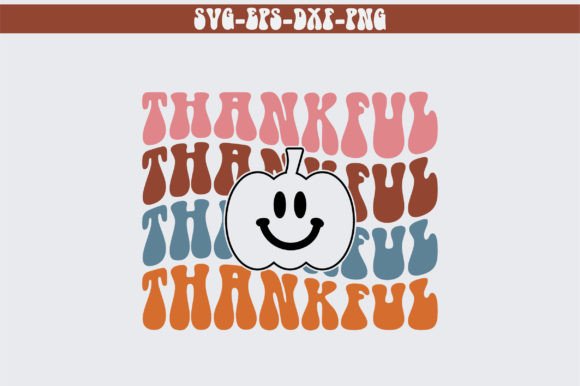
The visual personality of Thankful Retro Svg Design is its strongest asset. In a crowded marketplace like Etsy or a craft fair booth, this design stands out because it feels established rather than generic. The retro vibe creates an instant emotional connection with customers looking for unique, artisanal items. When placed on a neutral canvas like a cream-colored apron or a denim tote bag, the design pops without overwhelming the wearer.
I envision this being used extensively for holiday embroidery projects. The word "Thankful" carries weight during autumn months, making it ideal for Thanksgiving table runners, kitchen towels, or nursery decor. The clean lines suggest that the final product would have high clarity, which is essential for maintaining brand consistency for small shop owners. If you are selling finished goods, a design that looks professional and polished increases customer trust immediately. It signals that you care about the quality of your output, not just the speed of production.
Real-Life Application: From Screen to Fabric
To truly test Thankful Retro Svg Design, I imagine running it through a typical workflow for a custom apparel project. Let's say you are preparing a batch of embroidered patches for a boutique collection. The design's balanced composition works well within standard hoop sizes, allowing for efficient placement on various garments. Whether you are stitching onto a cap, a baby onesie, or a heavy-duty work jacket, the retro style adapts gracefully to different textures.
For embroidery designers creating design assets, the inclusion of multiple formats like SVG, EPS, DXF, and PNG is a significant plus. These files allow for seamless scaling, ensuring that whether you are printing a printable mockup for a listing or sending the file directly to an embroidery machine, the integrity remains intact. The machine embroidery design potential here is strong, particularly for satin stitch applications where the edges need to be crisp. The retro font choice likely translates well into fill stitches, providing a solid foundation for the lettering without excessive gaps.
Consider the scenario of a custom apparel order for a local community group. You want a design that looks cohesive across fifty different shirts. Thankful Retro Svg Design offers that reliability. It avoids overly delicate details that might get lost in the stitching process, making it a safe bet for mass production while still retaining that handcrafted charm that buyers love.
Where to Exercise Caution
While the design is robust, no single file is perfect for every situation. There are specific areas where Thankful Retro Svg Design requires careful consideration. If you are working with small hoop sizes, you must scrutinize the smallest curves in the lettering. Tiny details often suffer when compressed, leading to a loss of definition that can make the text look muddy.
Fabric texture plays a massive role in the final outcome. On highly textured fabrics like chunky knits or rough linen, the contrast between the thread and the material can obscure fine details. Similarly, using this on stretchy fabrics without proper stabilization can lead to puckering, which ruins the retro aesthetic by distorting the letters. Dark fabrics present another challenge; if the design relies on light thread colors for contrast, you may need to add a backing layer or choose a contrasting thread color scheme to ensure visibility.
Curved surfaces like caps require special attention. While the design is versatile, the curvature of a hat can flatten certain elements of the artwork. If the design includes intricate corners or tiny accents, these might get distorted during the hooping process. Additionally, products that undergo frequent washing, such as kitchen towels or everyday tote bags, demand high durability. Dense stitch areas in this design should be checked to ensure they won't cause the fabric to bunch up over time.
Technical Notes for the Professional Maker
Before you commit to a full production run, there are several steps any experienced crafter takes. Always test the embroidery file on scrap fabric first. This allows you to gauge the stitch density and see how the threads interact with the base material. Check your thread colors carefully; the right shade can elevate the design from good to great, while the wrong one can make it look dull.
Review the stabilizer requirements based on your intended fabric. Heavy stabilizers are often needed for lightweight materials to prevent distortion, while lighter options suffice for stable fabrics. Inspect the small details in the digital preview to confirm they are legible at your intended size. If you are unsure about the hoop size compatibility, compare the dimensions of the design against your machine's capabilities. Testing in black and white mockups can also help you visualize the contrast before committing to expensive colored threads.
Finally, verify the licensing terms. Are you allowed to sell finished products made with Thankful Retro Svg Design? Do you have permission to use the digital embroidery file for commercial projects? Confirming these details protects your craft business and ensures you are operating ethically. The download includes SVG, EPS, DXF, and PNG formats, but specific technical specs like stitch counts or machine compatibility should always be double-checked against your specific equipment.
Final Thoughts on Value and Presentation
In the world of Graphics and Crafts, finding a design that balances nostalgia with technical feasibility is rare. Thankful RetroSvg Design hits that sweet spot. It is a tool that empowers Etsy sellers, small shop owners, and hobbyists to create high-quality handmade products that resonate with buyers. The design enhances the perceived value of the finished product, making it a desirable item for gifts, weddings, or personal collections.
Whether you are decorating a baby item for a new arrival or creating a line of holiday embroidery pieces for the season, this design provides a solid foundation. It respects the craft of embroidery while offering the flexibility needed for modern digital workflows. By understanding its strengths and limitations, you can confidently incorporate Thankful Retro Svg Design into your next project, knowing it will stand up to the scrutiny of both the needle and the customer's eye.