Momster Retro Svg Design Review
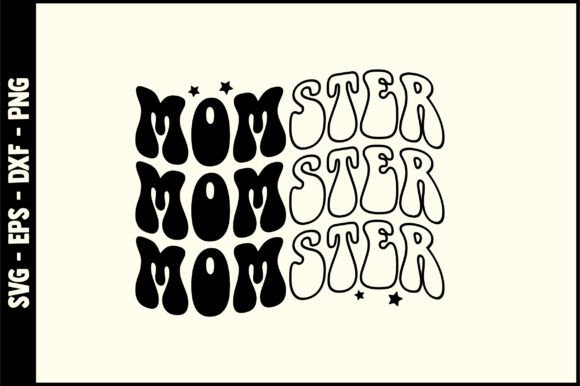
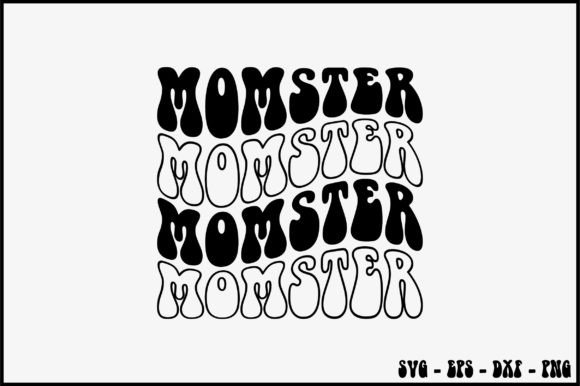
As a designer who spends more time than I care to admit staring at stitch charts and debating thread colors, I approach every new digital embroidery file with a mix of hope and skepticism. The market is saturated with clipart that looks great on screen but falls apart under the needle. That is why I take a hard look at assets like the Momster Retro Svg Design before committing them to fabric. This review isn’t just about aesthetics; it is about practical application, stitching performance, and whether this design will hold up in the real world of handmade commerce.
First Impressions and Visual Personality
The moment you open the package containing the Momster Retro Svg Design, the vibe is immediate. It carries that distinct nostalgic weight—think muted pastels, vintage typography, or retro illustrations that evoke warmth without being overly saccharine. For an embroidery project, visual personality is everything because texture changes how we perceive color and line. A flat vector can feel sterile, but when translated into thread, that retro aesthetic gains depth and tactility.
The layout appears balanced, which is crucial for stability. Designs that are too top-heavy or have uneven negative space often shift during hooping. From a graphic design perspective, the composition feels intentional. It suggests a theme that fits perfectly into the current trend of personalized gifts and boutique branding. It doesn’t scream for attention; instead, it invites a closer look, which is exactly what you want in a handmade product meant to be worn or displayed daily.
Real-World Application: The Tote Bag Scenario
Let’s talk about utility. Imagine you are preparing inventory for an upcoming craft fair or fulfilling a rush order for an Etsy customer. You decide to use the Momster Retro Svg Design on a canvas tote bag. Why? Because totes are high-demand items, but they present specific challenges. The fabric is often thick, textured, and prone to shifting.
In this scenario, the machine embroidery design needs to be robust. If the design relies on tiny, delicate details that might get lost in the weave of heavy canvas, it fails. However, if the Momster Retro Svg Design features bold lines and clear shapes, it will pop against the natural fibers. I imagine placing this design centered on the front panel of a beige or cream-colored tote. The contrast between the thread and the fabric becomes the star. For an Etsy seller, this kind of clean, legible design translates well into product photos. It reads clearly even as a thumbnail, which is critical for online sales.
Furthermore, consider the recipient. A mom receiving a tote with this design isn’t just getting a bag; she is getting a statement piece. The "Momster" theme resonates with humor and affection, making it a strong candidate for personalized gift categories. When customers see a finished product that feels professional yet heartfelt, their trust in your brand increases.
Performance on Apparel and Baby Items
Beyond totes, this design has potential in other categories. Think about sweatshirt embroidery or baby embroidery. For apparel, especially cotton blends used in hoodies or tees, the stitch density must be appropriate. Too dense, and the fabric pucks; too sparse, and the background shows through. The retro style often benefits from a slightly lighter touch, allowing the garment’s texture to breathe.
If you are targeting the nursery or baby market, the Momster Retro Svg Design could work beautifully on muslin blankets or onesies. Here, safety and comfort are paramount. The edges of the embroidery should be smooth, avoiding any rough satin stitches that might irritate sensitive skin. A well-executed applique design or a combination of fill stitch and running stitch can achieve a soft, premium finish. This elevates a basic onesie into a keepsake item, justifying a higher price point for your small shop product.
Where to Exercise Caution
Not every surface is created equal. While this design is versatile, there are areas where you need to be careful. Avoid using intricate versions of this design on curved surfaces like baseball caps unless you have a specialized cap hoop and experience. Curvature distorts straight lines and can make text difficult to read. Similarly, thin fabrics like silk or lightweight rayon require a stabilizer that won’t leave residue or tear the material upon removal.
Dark fabrics also demand attention. If the original design uses light threads on a dark background, ensure the underlay stitches are sufficient to prevent the dark fabric from showing through the lighter thread. Conversely, if you are embroidering on a dark cap, a white or light-colored backing might be necessary for certain graphics to maintain contrast. Always test these combinations.
Technical Considerations for the Designer
Before you hit the start button on your machine, there are several technical checks you must perform. First, inspect the small details. In retro designs, fine lines can sometimes merge together if the thread colors are too similar or if the resolution of the digitizing was low. Zoom in on the digital preview. Are the corners sharp? Is the spacing consistent?
Next, check the hoop size. Ensure the design fits comfortably within your standard hoops (like 5x7 or 6x10) without requiring awkward re-hooping, unless that is part of your workflow. Re-hooping introduces alignment risks. Also, verify the stabilizer choice. Cut-away stabilizer is generally safer for stretchy knits and frequent washing, while tear-away might suffice for stable wovens like aprons or kitchen towels.
I strongly recommend testing the design on scrap fabric first. Use the same thread and fabric you plan to use for the final product. This step reveals issues with tension, bird nesting, or thread breakage that aren't visible on a computer screen. Additionally, convert the design to black and white in your software to check contrast levels. If the design loses its shape or readability in grayscale, it might struggle in color depending on your thread palette.
Commercial Viability and Branding
For those of us running a craft business, consistency is key. The Momster Retro Svg Design offers a cohesive look that can become part of your signature style. If you pair it with complementary fonts and color palettes, you create a recognizable brand identity. Buyers come back to shops that feel curated and professional.
When creating printable mockups or listing items on platforms like Etsy, the versatility of the included formats (SVG, EPS, DXF, PNG) is a huge asset. You can use the SVG for cutting vinyl decals to pair with the embroidery, or the PNG for quick social media previews. This multi-format capability saves time and allows you to offer bundled products, increasing your average order value.
However, always confirm licensing terms. Even if the download includes various formats, ensure you have the right to sell physical items made from the embroidery file. Some designers restrict commercial use, while others allow it with attribution. Protecting your commercial embroidery rights is essential for long-term sustainability.
Final Verdict
The Momster Retro Svg Design stands out as a thoughtful, aesthetically pleasing asset that bridges the gap between trendy graphics and functional embroidery. It works well for tote bag design, apron decoration, and holiday embroidery projects. Its retro charm adds emotional value to finished products, making it a smart choice for sellers looking to connect with customers on a personal level.
By paying attention to fabric choices, stabilizer usage, and thorough testing, you can transform this digital asset into a tangible success. It is not just a file; it is a foundation for creating meaningful, high-quality handmade goods. If you are ready to add a touch of nostalgia and professionalism to your next project, this design deserves a spot in your library.