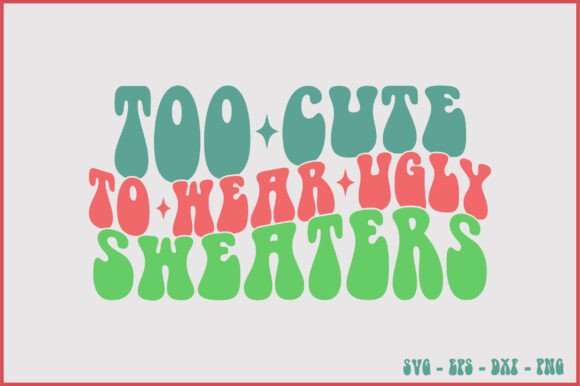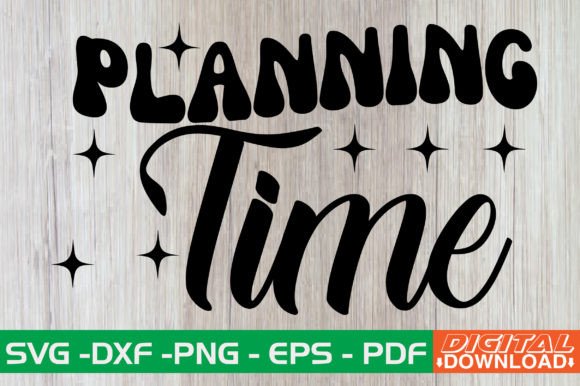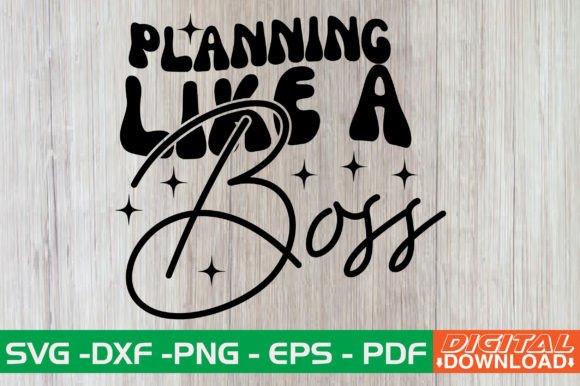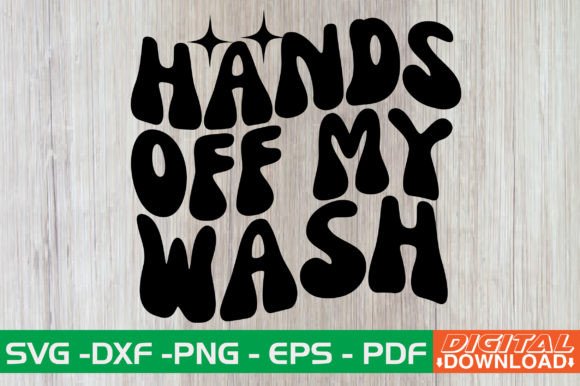
Feeling Cute Might Die Later Retro SVG Review
As a designer who spends more time than I care to admit staring at stitch density charts and testing thread tension, I approach every new digital embroidery file with a healthy dose of skepticism. The market is flooded with vector graphics that look great on a screen but fall apart under the needle. However, when I first unboxed the Feeling Cute Might Die Later Retro SVG, my initial reaction was one of genuine interest. It isn't just another generic quote; it carries a specific mood that feels ready for real-world application.
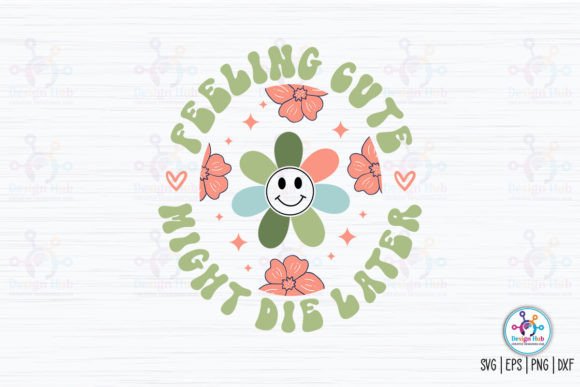
The retro aesthetic immediately sets a tone that is both nostalgic and playful. In the world of craft business and Etsy seller listings, capturing attention within seconds is vital. This design does exactly that. The typography has a distinct personality, suggesting a project that fits perfectly into the current trend of vintage-inspired home decor and apparel. When I imagine this as a machine embroidery design, I see it not just as text, but as a statement piece that adds character to a handmade product. The layout is balanced, avoiding the cluttered look that often plagues text-heavy designs, which is a huge plus for clarity in stitching.
From Screen to Stitch: A Real-World Scenario
To truly evaluate the potential of Feeling Cute Might Die Later Retro SVG, I decided to run a practical test scenario. I imagined preparing a custom embroidered tote bag for a local boutique client who specializes in gift sets. The goal was to create a limited edition item for a holiday sale. The client wanted something that felt personal but had a broad appeal—something that screamed "gift" without being overly cutesy or childish.
I selected a heavy-duty canvas fabric for the tote, knowing that the retro style would pop against the textured background. My first concern was how the design would translate from a digital preview to a physical object. After hooping the stabilizer correctly and running a test stitch on a scrap piece of the same canvas, the results were promising. The curves of the letters held up well, and the spacing between the words remained crisp. Unlike many designs that suffer from thread breaks or puckering, this vector held its shape. It felt substantial enough to be a focal point on a large surface like a tote bag, yet delicate enough not to overwhelm the fabric.
The visual appeal of the finished product was immediate. Customers walking by a craft fair booth are drawn to items that tell a story. This design tells a story of attitude and humor. When placed on a neutral-colored tote, the contrast creates a professional look that elevates the perceived value of the item. It transforms a simple canvas bag into a piece of wearable art. For a small shop owner, this kind of embroidery project can significantly boost engagement because it resonates with buyers looking for unique, personalized gifts rather than mass-produced goods.
Performance Across Different Materials and Garments
While the tote bag was a success, versatility is key for any design asset intended for commercial use. I considered how this design would perform on other common items in an embroiderer's repertoire. For sweatshirt embroidery, the retro vibe pairs beautifully with heather grey or vintage black fleece. The texture of the sweatshirt adds depth to the satin stitches, making the quote feel even more tactile.
I also visualized this as a baby embroidery piece on a onesie or a nursery pillow cover. The phrase is lighthearted enough to work in a modern nursery setting, provided the color palette is kept soft. Using pastel threads on a white or cream background could make this a charming addition to a baby shower gift. However, the design might need slight adjustments for very small items like caps or hats. The curvature of a baseball cap can sometimes distort straight lines, so careful placement is essential here.
For those interested in creating an embroidered patch, this design offers excellent potential. The clear separation of elements allows for clean edges if you plan to add a border. It could serve as a standout accessory on denim jackets or backpacks, adding a layer of personality to everyday gear. The fact that it comes in multiple formats, including EPS and DXF, means it is adaptable for various production methods, whether you are sticking to traditional hoop embroidery or exploring laser cutting for applique accents.
Navigating Potential Pitfalls and Technical Considerations
No design is without its challenges, and being honest about where Feeling Cute Might Die Later Retro SVG might struggle is crucial for maintaining high standards. One area to watch closely is the use of thin or stretchy fabrics. If you attempt to stitch this on a lightweight jersey or a sheer material without adequate support, the tension of the stitches could cause the fabric to pucker or tear. Always ensure you are using the proper stabilizer to counteract these forces.
Another consideration is the size of the design relative to the available space. On smaller hoop sizes or tiny accessories, fine details might get lost in the stitching process. If the lettering becomes too dense or the gaps too narrow, the machine may skip stitches, leading to a muddy appearance. It is wise to check the stitch density before committing to a full production run. Additionally, dark fabrics require a different thread strategy; you might need to use a higher count of underlay stitches or a contrasting thread color to ensure the retro font stands out clearly against the background.
When working with layered garments or items that will undergo frequent washing, durability becomes a priority. While the design itself is solid, the longevity of the final product depends heavily on your finishing techniques. Ensure that all loose threads are trimmed and that the back of the embroidery is clean. A sloppy back can ruin the professional look of an otherwise beautiful finished product.
Final Thoughts on Value and Usage
In conclusion, Feeling Cute Might Die Later Retro SVG is a strong contender for anyone looking to expand their catalog of custom apparel or holiday embroidery projects. Its retro charm and clear layout make it versatile enough for a wide range of applications, from tote bag design to commercial embroidery assets. The design respects the medium of embroidery, avoiding overly intricate details that machines struggle to replicate.
Before diving into a large order, I strongly advise testing the design on scrap fabric first. Check your thread colors to ensure they complement the retro theme, and review the stitch density to prevent any issues during the actual run. Confirming the licensing terms is also non-negotiable if you plan to sell the finished items. By taking these practical steps, you can leverage the strengths of this design to create high-quality, trustworthy products that your customers will love.
Whether you are a seasoned pro or a hobbyist looking to start a side hustle, this design offers a solid foundation for creativity. It bridges the gap between digital convenience and tangible craftsmanship, proving that a well-executed embroidery file can still make a bold statement in a crowded marketplace.