Coffee Queen Retro SVG Review
As a designer who spends half my life staring at stitch charts and the other half arguing with Cricut Design Space, I don’t buy digital files lightly. Most of them are overpriced vectors that fall apart when you try to scale them down for a baby onesie or look muddy when stitched on dark fabric. But Coffee Queen Retro SVG caught my eye not just because of the aesthetic, but because it feels like it was built with actual production in mind. If you are an Etsy seller, a small shop owner, or a hobbyist looking to elevate your handmade product line, this design offers a specific kind of charm that resonates with the current market trend for cozy, nostalgic vibes.
First Impressions: The Vibe Check
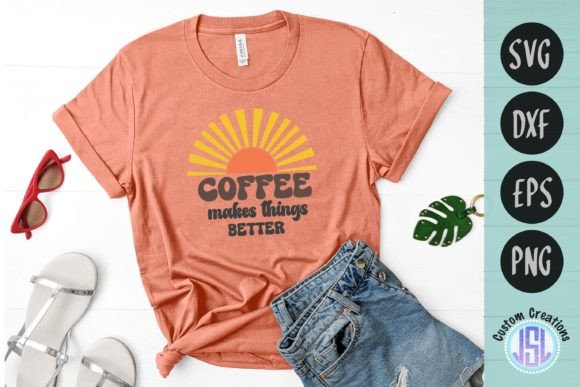
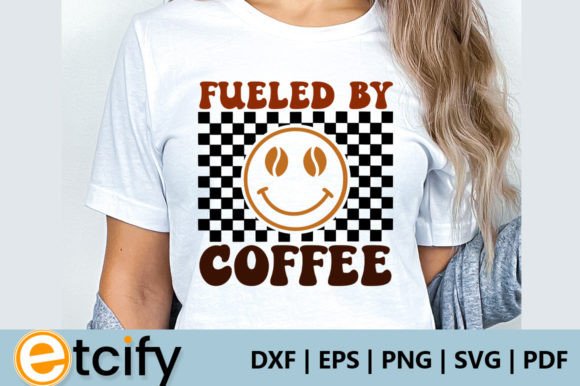
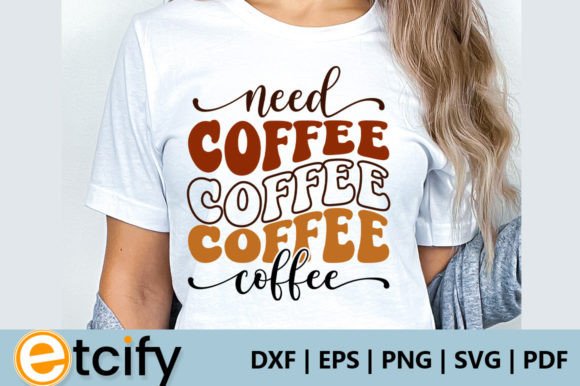
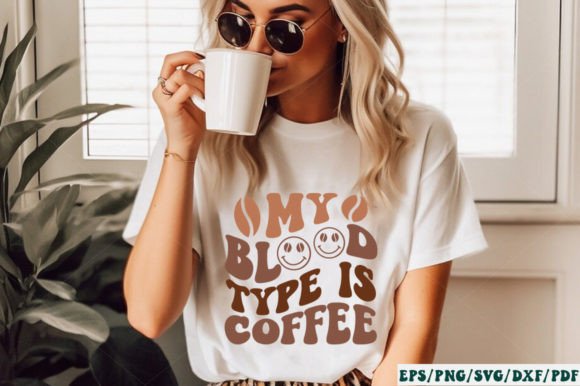
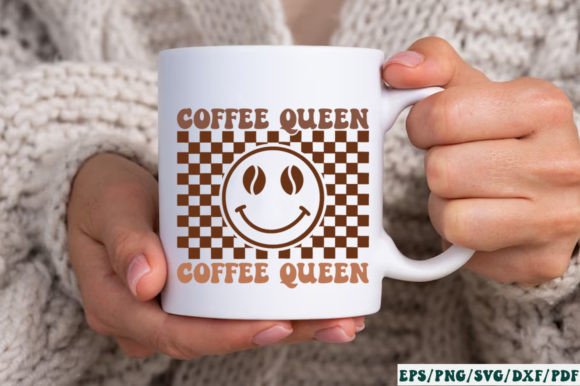
The moment I opened the zipped folder containing the Coffee Queen Retro SVG, the first thing I noticed was the layout. It isn’t cluttered. In the world of machine embroidery design, less is often more, especially when you are dealing with limited hoop sizes. The design strikes a balance between bold statement and delicate detail. The "Retro" aspect doesn’t feel forced; it has that warm, slightly faded color palette energy even before you pick up a needle. It screams "morning ritual," which makes it incredibly versatile for various applications.
Visually, the personality of the file is confident. It works equally well as a standalone graphic on a tote bag design or as a central motif on a sweatshirt embroidery project. For craft business owners, this is crucial. You want designs that read clearly from three feet away at a craft fair but still hold up under close inspection by a discerning buyer. The lines are clean, the curves are smooth, and there is a sense of intentionality in how the elements are grouped. It feels like a finished product waiting to happen, rather than just a raw vector.
Real-World Application: From Screen to Stitch
Let’s talk about where this design actually lives in your workflow. I recently used a similar retro-style asset to prepare a custom embroidered patch for a client’s coffee-themed apron, and the logic here applies directly to Coffee Queen Retro SVG. This file is perfect for personalization. Imagine a boutique branding campaign for a local cafe owner, or perhaps a holiday gift set featuring tea towels and matching mugs. The design translates beautifully across mediums.
For the digital product sellers among you, this is a goldmine. Because the download includes SVG, DXF, PNG, EPS, and PDF formats, you aren’t locked into one ecosystem. You can use the SVG for cutting vinyl decals to pair with embroidered items, or use the PNG for creating high-quality printable mockups for your Etsy listings. The versatility means you can test the design in black and white mockups to ensure contrast holds up before you ever commit thread to fabric. This reduces waste and increases your profit margins by helping you visualize the final result accurately.
When applied to apparel, such as a crewneck sweatshirt or a structured cap, the design anchors the garment without overwhelming it. It fits naturally into the niche of "cozy minimalism." Customers are currently drawn to items that feel personal and artisanal. A handmade product featuring this retro coffee theme taps into that emotional connection. It suggests a slow morning, good conversation, and quality craftsmanship. That narrative sells itself, provided the execution is solid.
Where to Exercise Caution
However, no design is perfect for every scenario. As an experienced reviewer, I have to point out where Coffee Queen Retro SVG might challenge your setup. If you are planning to stitch this onto thin fabric or stretchy knits, you need to be mindful of the stabilizer choice. The retro style often relies on clean edges, which can distort if the fabric pucks during stitching. Always test the design on scrap fabric first to check how the threads interact with your specific material.
Furthermore, consider the size constraints. While the file scales well digitally, physical embroidery has limits. If you attempt to stitch this into a very small hoop size, some of the finer details might get lost or merge together, turning into a blob rather than a distinct image. Avoid placing intricate parts of the design near the edge of a hat or the curve of a sleeve unless you have mapped the digitizing carefully. Also, be cautious with dense stitch areas on textured fabrics like terry cloth or heavy fleece, as the needle penetration might struggle, leading to skipped stitches or thread breaks.
Design Notes for the Professional Embroiderer
To get the most out of this embroidery file, you need to think like a technician, not just an artist. Here are my practical notes for ensuring a professional finish:
- Thread Color Contrast: The retro theme begs for muted tones—mustard yellows, burnt oranges, dusty teals, or cream whites. Avoid neon threads, as they will clash with the vintage mood. Test your thread colors against your chosen fabric background to ensure readability.
- Stitch Density and Type: Pay attention to how the design uses satin stitch versus fill stitch. Satin stitches should be used for outlines and text to give a crisp, defined edge. Fill stitches work best for larger blocks of color, but ensure the density isn’t too high for your fabric weight. If the design feels too heavy, consider simplifying the internal details or using a running stitch for accents.
- Hoop Size Confirmation: Before loading your fabric, confirm the hoop size required by the software. If the design exceeds your standard 4x4 or 5x7 hoop, plan your hooping strategy carefully to avoid repositioning errors.
- Stabilizer Selection: Use the proper stabilizer for your project. A cut-away stabilizer is generally safer for garments that will undergo frequent washing, while tear-away might suffice for temporary projects like holiday embroidery gifts. The stability of the base fabric is just as important as the design itself.
- Licensing and Commercial Use: Since you are likely looking to sell these items as part of your craft business, double-check the license terms included in the package. Ensure you have the right to sell finished products made from the digital embroidery file. This protects your Etsy seller account and builds long-term trust with your customers.
Final Verdict: Is It Worth the Investment?
In the crowded market of design assets, Coffee Queen Retro SVG stands out because it balances aesthetics with utility. It isn’t just a pretty picture; it’s a functional tool for creators who want to produce high-quality, marketable goods. Whether you are making custom apparel for friends, launching a new line of embroidered patches, or adding seasonal items to your small shop product catalog, this design delivers on its promise of retro charm.
The inclusion of multiple formats (SVG, DXF, PNG, EPS, PDF) makes it a robust addition to your library. It allows for cross-platform creativity, meaning you aren’t restricted to one type of machine or software. For those of us in the Graphics and Crafts industries, this flexibility is invaluable. It streamlines the workflow from concept to finished product.
If you are looking to add a touch of warmth and nostalgia to your portfolio, this is a smart buy. Just remember to respect the technical limitations of embroidery. Test, adjust, and refine. When done correctly, the result is a piece of wearable art that customers will love to wear and display. It’s not just about selling a file; it’s about selling the feeling of a perfect cup of coffee on a quiet morning—and this design captures that perfectly.